

Discovering the Enchantment of Yallahs Twin Salt Ponds in St Thomas Jamaica. Their Salty Secrets and Folklore
- David Madden

- 9 hours ago
- 4 min read
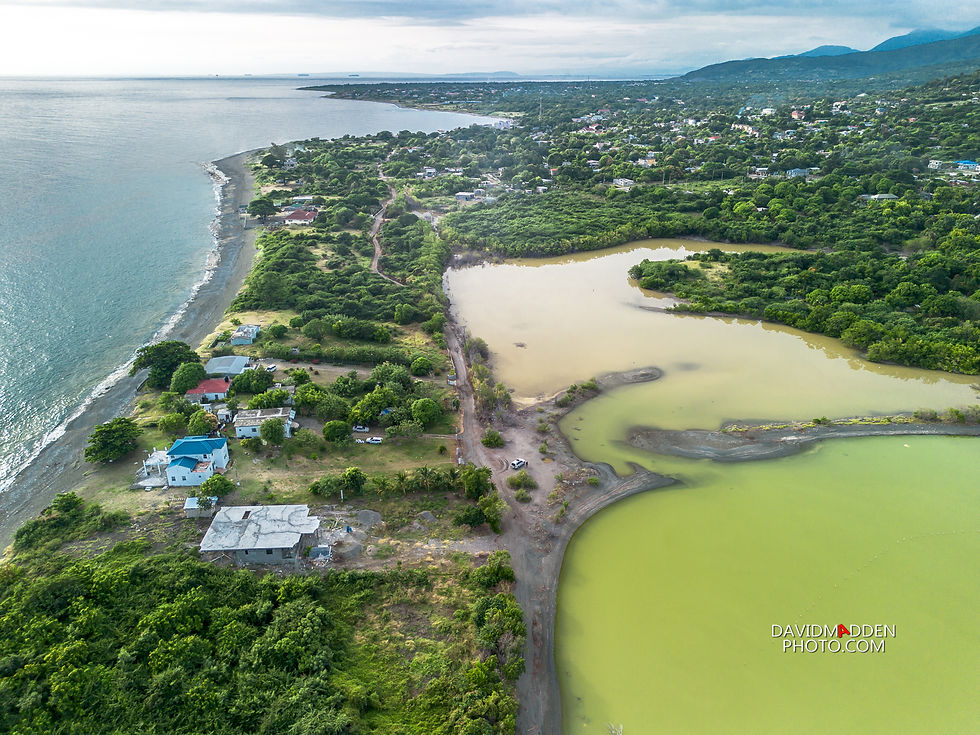
The Twin Salt Ponds of Yallahs in the parish of St Thomas stand out as one of Jamaica’s most intriguing natural wonders. These ponds are not just bodies of water; they are a spectacle of nature’s extremes and a canvas for local stories that have been passed down through generations. What makes these ponds truly remarkable is their extreme salinity—up to 15 times saltier than the ocean—and the stunning magenta pink glow they emit under certain conditions. This blog post explores the unique features of the Twin Salt Ponds, the science behind their unusual characteristics, and the rich folklore that adds a layer of mystery and emotion to this natural marvel.

The Extreme Salinity of the Twin Salt Ponds
The Twin Salt Ponds are famous for their incredibly high salt concentration. While the average ocean salinity is about 3.5%, these ponds can reach salinity levels up to 50%, making them roughly 15 times saltier than the sea. This extreme salinity creates a harsh environment where only specialized microorganisms can survive.
How Does the Salinity Get So High?
Evaporation: The ponds are located in a tropical climate where high temperatures cause rapid evaporation of water. As water evaporates, salt remains behind, increasing the concentration.
Limited Water Exchange: The ponds have limited connection to the ocean, so fresh seawater does not dilute the salt concentration significantly.
Salt Deposits: Over time, salt crystals form and settle at the bottom, further contributing to the ponds’ saltiness.
This environment is similar to other hypersaline lakes around the world, such as the Dead Sea, but the Twin Salt Ponds are unique for their size and the vivid colors they display.
The Stunning Magenta Pink Glow
One of the most captivating features of the Twin Salt Ponds is their glowing magenta pink color during certain periods. This phenomenon is not just beautiful but also scientifically fascinating.
What Causes the Pink Color?
The intense pink or magenta hue comes from the presence of halophilic (salt-loving) microorganisms, especially a type of algae called Dunaliella salina and certain halobacteria. These organisms produce carotenoid pigments, such as beta-carotene, which give the water its distinctive color.
Dunaliella salina thrives in high-salinity environments and produces beta-carotene as a protective mechanism against intense sunlight.
Halobacteria also contribute to the reddish-pink coloration through their own pigments.
The color intensity can change depending on factors like sunlight, temperature, and salinity levels, making the ponds a dynamic and ever-changing spectacle.

Historical Context of the Twin Salt Ponds
The Twin Salt Ponds have been known to locals for centuries. Historically, salt was a valuable resource for food preservation and trade. The ponds likely served as a natural salt source for indigenous peoples and later settlers.
Colonial Era: During Jamaica’s colonial period, salt extraction from natural ponds was common. The Twin Salt Ponds may have been part of local salt harvesting practices.
Cultural Significance: The ponds have long been a landmark in the Yallahs area, inspiring stories and becoming part of the community’s identity.
Despite their natural beauty and historical importance, the ponds remain relatively untouched by large-scale tourism, preserving their mystery and charm.
The Local Legend of Betrayal and Heartbreak
Beyond science and history, the Twin Salt Ponds are steeped in folklore that adds emotional depth to their allure. The local legend tells a story of love, betrayal, and heartbreak that explains the ponds’ unique colors and names.
The Legend
Long ago, two lovers from rival villages near Yallahs planned to marry. Their love was pure but forbidden due to longstanding conflicts between their families. On the eve of their wedding, one lover was betrayed by a trusted friend who revealed their plans to the opposing village.
The betrayal led to a tragic confrontation, and both lovers drowned in the salt ponds while trying to escape. Their sorrow and heartbreak are said to have stained the waters with a deep magenta hue, a permanent reminder of their love and loss.
Symbolism in the Legend
Magenta Color: Represents the blood and passion of the lovers.
Twin Ponds: Symbolize the two souls forever connected.
Salt: Reflects tears and the bitterness of betrayal.
This story is told to visitors and locals alike, enriching the experience of witnessing the ponds’ natural beauty with a sense of human emotion and history.
Scientific Explanation Meets Folklore
The combination of scientific facts and folklore creates a fascinating narrative around the Twin Salt Ponds. While science explains the physical reasons for the ponds’ salinity and color, the legend offers a human connection that makes the site memorable.
Microorganisms and Pigments explain the pink glow.
Evaporation and Geography explain the salt concentration.
Local Stories explain the emotional significance.
This blend of knowledge and myth invites visitors to appreciate the ponds on multiple levels.
Visiting the Twin Salt Ponds Today
For those interested in exploring the Twin Salt Ponds, here are some practical tips:
Best Time to Visit: The ponds glow most vividly during the dry season when evaporation is highest.
Access: Located near Yallahs, the ponds are accessible by road. Locals can provide insights into the history and folklore.
Photography: The magenta waters provide stunning photo opportunities, especially during sunrise or sunset.
Respect the Environment: The ponds are delicate ecosystems. Visitors should avoid disturbing the water or wildlife.
Experiencing the Twin Salt Ponds offers a rare chance to witness nature’s extremes and connect with local culture.
Comments