
Salt River Clarendon Jamaica: A Beautiful River, Mineral Bath and Wetland Experience

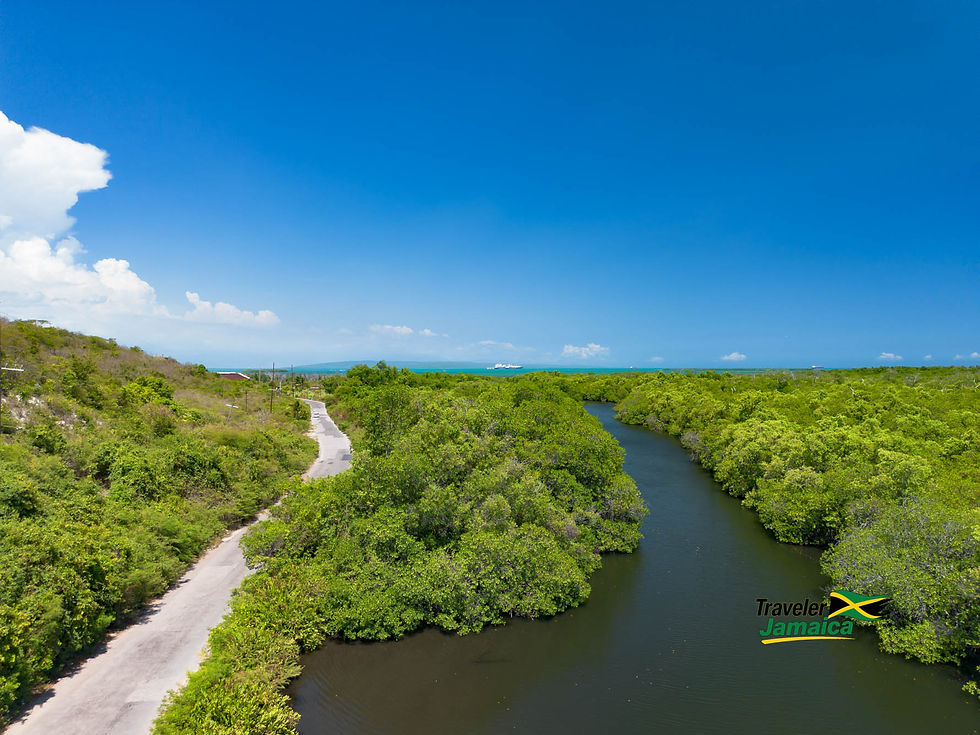
For travelers looking beyond Jamaica's better-known tourist attractions, Salt River Clarendon Jamaica offers an opportunity to experience a very different side of the island. Located along Jamaica's south coast, Salt River combines beautiful waterways, mineral springs, wetlands, mangroves, wildlife and a strong connection to local fishing and boating.
The area is part of the wider Portland Bight Protected Area, an important coastal ecosystem containing wetlands, mangrove forests, dry limestone areas and a variety of wildlife. Salt River has traditionally attracted local residents looking for somewhere to enjoy the water, relax, fish and experience the natural environment.
For visitors interested in nature photography, bird watching, rivers, wetlands and less-commercialized Jamaican destinations, Salt River can be particularly interesting.
The Natural Beauty of Salt River

One of the first things visitors may notice about Salt River is how different the landscape is from Jamaica's famous mountain rivers and waterfalls.
Here, the scenery is shaped by the meeting of river, wetland, mangrove and coastal environments. The waterway gradually makes its way toward the coast, creating a landscape that can appear peaceful and almost untouched in places.
The surrounding vegetation also changes depending on the conditions. Some sections are wet and lush, while other areas can become noticeably dry, particularly during periods of lower rainfall. This mixture of wet and dry environments is one of the features that makes the lower Clarendon landscape ecologically interesting.
The wider Salt River wetland system contains both freshwater and saline or brackish environments. Mangroves become particularly important closer to the coastal areas, providing habitat for fish, crabs, birds and other wildlife.
For photographers, this creates opportunities to capture reflections on the water, mangrove vegetation, boats, birds, wetlands and the changing character of the river throughout the day.
The Salt River Mineral Bath

Perhaps the best-known recreational feature of the area is the Salt River Mineral Bath.
The bathing area is associated with mineral-rich water emerging within the Salt River environment and has long been enjoyed by local residents. The water can have a distinctive appearance and temperature, adding to the unusual experience of bathing in a natural setting. Salt River's mineral bath is considerably different from the more formalized experience associated with some of Jamaica's larger spa attractions. It is much more closely connected to the surrounding community and natural landscape.
Visitors should remember that this is a natural environment rather than a conventional swimming pool. Conditions can change depending on rainfall, river flow, sediment and human activity.
It is also important to observe all posted crocodile warnings before entering the water.
Salt River and Jamaica's Protected Crocodiles

One of the most important things visitors need to understand about Salt River is that the area provides habitat for Jamaica's American crocodile (Crocodylus acutus). The American crocodile is protected in Jamaica and is considered a vulnerable species internationally. It occurs primarily around southern Jamaica's rivers, wetlands, mangrove areas, shallow bays and other coastal habitats.

Crocodiles have actually been reported at Salt River on several occasions. In May 2024, a crocodile approximately 12 feet long was captured at Salt River after being seen close to people using the water. It was fitted with a tracking tag and relocated to a wetland area away from people.
A crocodile was also removed from Salt River in 2023 following another reported sighting. NEPA has repeatedly advised members of the public not to provoke, capture, harm or kill crocodiles.
Take the Warning Signs Seriously
Visitors should never assume that a crocodile warning sign is simply a general precaution.
If crocodile warning signs are posted:
Do not enter restricted water.
Do not approach a crocodile.
Never attempt to feed, touch or photograph one from close range.
Keep children away from the water's edge.
Do not throw objects at a crocodile.
Do not attempt to capture or restrain one.
Follow instructions from conservation personnel and local authorities.
Avoid cleaning or scaling fish directly in swimming areas, as fish remains can attract crocodiles.
The presence of crocodiles is not simply a danger to humans; it is also an indication of the ecological importance of the wetlands. The animals are part of Jamaica's natural wildlife and are protected by law. Their habitat should therefore be treated with respect.
Salt River is a place where enjoying nature and respecting nature have to go together.
The Wet and Dry Swamp Environment
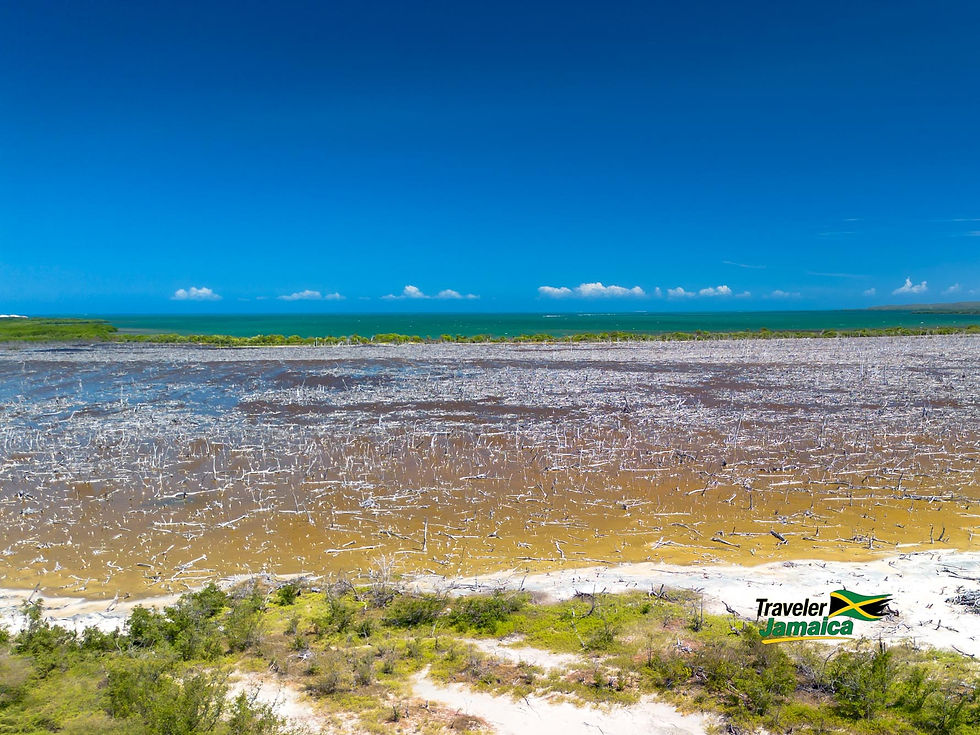
Another fascinating aspect of Salt River is the contrast between its wetland and drier landscapes. The wetlands provide important habitat for fish, birds, crabs, crocodiles and other organisms. In areas where freshwater and saltwater environments interact, vegetation can include both freshwater plants and mangrove communities.

The Salt River wetland system has historically supported a diverse range of wildlife. Older environmental documentation describes freshwater vegetation in parts of the drainage system, while saline and brackish sections support mangrove forests and crab populations. During drier periods, however, the landscape can look remarkably different. Some areas become dusty and dry while vegetation around watercourses and wetlands remains greener.
This contrast is one of the reasons the area can be particularly attractive to photographers. A single visit can produce photographs of river scenery, wetlands, mangroves, boats, birds, reflections and dry coastal vegetation—all within the same general landscape.
Monymusk Gun, Rod and Tiller Club
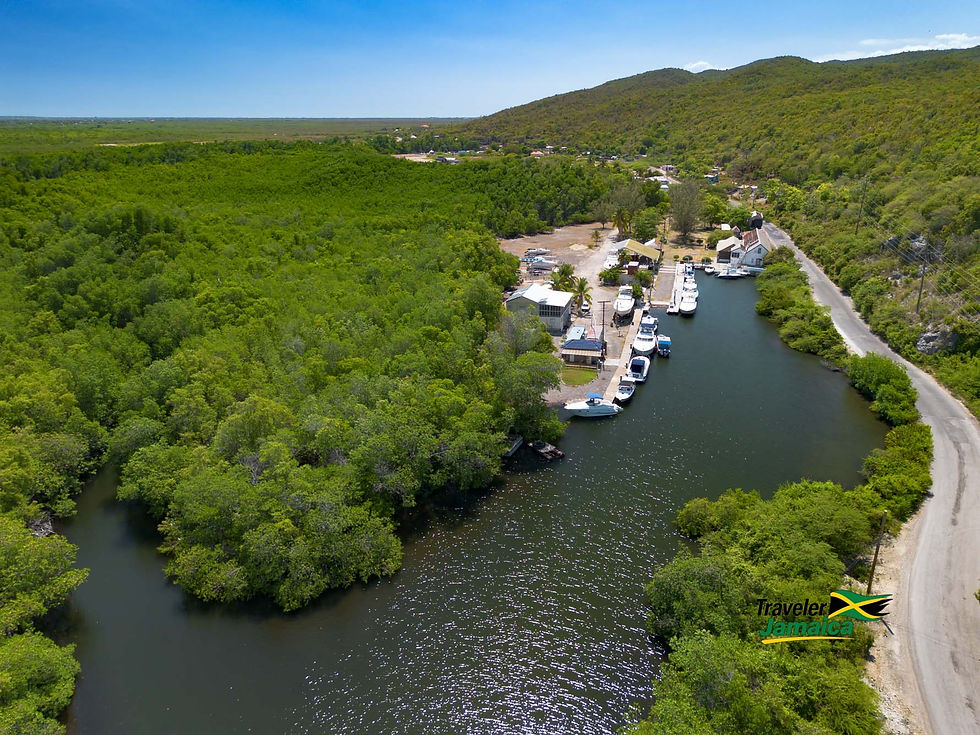
Another important part of the Salt River landscape is the Monymusk Gun, Rod and Tiller Club.
This is a private fishing and hunting club which has a longstanding connection with the surrounding wetlands, fishing and recreational activities. The property has also been associated with conservation work in the Portland Bight area, including the Caribbean Coastal Area Management Foundation (C-CAM).
Environmental documentation identifies the Monymusk Gun, Rod and Tiller Club as one of the recreational locations in the Salt River area, while other planning documents identify the club as having a small private marina.
The club's location provides an interesting perspective on how recreation, boating, fishing and environmental conservation intersect in this part of Clarendon.
A Natural Harbor and Passage Toward the Sea

The waterways around Salt River also have an important connection with Jamaica's coastal environment. The river and associated waterways provide a natural passage toward the sea, creating an environment where freshwater, brackish water and marine influences come together. The lower sections of the area are characterized by wetlands and mangroves before reaching the coastal environment.
The boating connection is particularly significant. Historical and environmental accounts describe fishing and boat activity around Salt River, while the Monymusk Gun, Rod and Tiller Club has been associated with a marina and access to the waterways.
For a visitor standing near the water, this creates an interesting perspective: what may appear to be a quiet inland river is actually part of a much larger coastal ecosystem extending toward the Caribbean Sea.
A Place for Bird Watching and Nature Photography

Salt River is also worth considering for travelers carrying a camera or binoculars. The combination of wetlands, mangroves, open water and coastal vegetation creates habitat for numerous species of birds and other wildlife. Environmental descriptions of the wider wetland system include birds such as jacanas, cattle egrets and other wetland species.

Photographers may find opportunities for:
Birds around the wetlands
Fishing boats and canoes
Mangrove reflections
River landscapes
Coastal vegetation
Crabs and other small wildlife
Changing skies over the wetlands
Local community activity
Early-morning and late-afternoon landscapes
A telephoto lens can be particularly useful because wildlife should be photographed from a safe distance. Also be mindful of the random cows and goats that also traverse the public and parochial roads.

Salt River as a Different Side of Jamaica
One of the attractions of Salt River is that it does not feel like a conventional resort destination. There are no large resort complexes dominating the landscape. Instead, the experience is connected to the river, the community, fishing, boating, wetlands and the natural environment.
This is part of what makes lower Clarendon interesting for travelers who want to explore beyond the traditional tourist circuit. The area demonstrates that Jamaica's attractions are not limited to beaches, waterfalls and mountains. The country's wetlands and coastal rivers are equally important parts of its natural heritage.
Visiting Responsibly
Anyone visiting Salt River should remember that they are entering an environmentally sensitive area. Take your garbage with you, avoid damaging vegetation and mangroves, and do not disturb wildlife. Most importantly, respect crocodile warning signs and restrictions. If a crocodile is sighted, do not approach it or attempt to interact with it. Give it plenty of space and report the sighting to the appropriate authorities or conservation personnel.
The survival of Jamaica's crocodiles depends partly on protecting the wetlands where they live, while the safety of visitors depends on respecting the fact that these animals are wild.
Exploring Salt River, Clarendon

Salt River is a fascinating example of Jamaica's south-coast environment—a place where a mineral bath, river, wetlands, mangroves, boating, wildlife and local recreation exist within the same landscape. For the traveler willing to explore beyond Jamaica's most heavily promoted attractions, Salt River Clarendon Jamaica offers something different: a chance to see a quieter and ecologically significant side of the island.
Its beauty is not simply in the water that attracts people to the mineral bath. It is also in the wetlands, boats, mangroves, wildlife and the natural passage connecting the inland waterways with the sea. But Salt River should be experienced with respect. The same wetlands that make the area beautiful also provide habitat for Jamaica's protected American crocodile. The warning signs are therefore an important part of the visitor experience—not something to ignore.
Enjoy the scenery, appreciate the wildlife, and leave Salt River as beautiful as you found it.

Comments