
Sahara Dust Over Kingston, Jamaica. A Natural Visitor from Africa

Updated: Jul 23

Every year, millions of tonnes of fine dust begin an incredible journey from the vast Sahara Desert in North Africa, crossing the Atlantic Ocean before reaching the Caribbean. During July 2026, residents and visitors in Kingston, Jamaica, experienced another noticeable episode of Saharan dust, creating hazy skies, reducing visibility, and affecting air quality across the city. Jamaican health authorities advised people—especially those with asthma, allergies, and other respiratory conditions—to reduce exposure while the dust plume lingered.
Although the dusty conditions can be uncomfortable, Saharan dust is far more than an atmospheric nuisance. Scientists have discovered that this remarkable natural phenomenon plays an important role in weather systems, ecosystems, and even agriculture around the world.
Why Does Sahara Dust Reach Jamaica?

The Sahara Desert is the world's largest hot desert, producing enormous amounts of fine mineral dust each year. Powerful winds lift these tiny particles thousands of metres into the atmosphere, where they become part of the Saharan Air Layer (SAL).
Driven westward by the trade winds, the dust travels more than 5,000 kilometres (3,000 miles) across the Atlantic before reaching the Caribbean, including Jamaica. This annual event typically occurs between May and October, with June and July often experiencing some of the highest dust concentrations.
July 2026: Hazy Skies Across Kingston

During the July 2026 dust event, many residents noticed that Kingston's usually spectacular views of the Blue Mountains became muted behind a greyish haze.

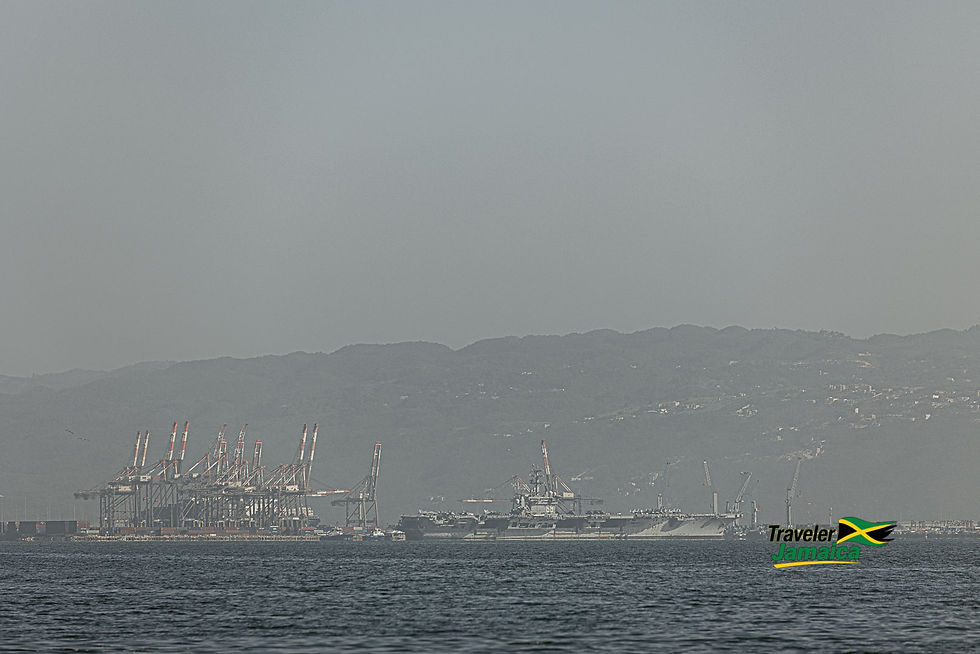

The dust produced:
Reduced visibility across the city
Hazy sunrises and sunsets
A dull, milky appearance in the sky
Dust settling on vehicles, buildings, and outdoor furniture
For photographers and tourists hoping to capture Jamaica's normally crystal-clear scenery, the atmosphere appeared noticeably less vibrant.
Air Quality Concerns
The greatest concern during Saharan dust events is the increase in tiny airborne particles known as particulate matter (PM2.5 and PM10).
These microscopic particles can enter the respiratory system and may cause:
Coughing
Sneezing
Eye irritation
Scratchy throat
Shortness of breath
Worsening asthma symptoms
Increased discomfort for people with chronic respiratory illnesses
Authorities recommended limiting strenuous outdoor activity during periods of heavier dust, keeping windows closed when practical, and staying hydrated.
The Surprising Benefits of Sahara Dust

Despite its short-term inconvenience, Saharan dust performs several remarkable functions that benefit both the Caribbean and the wider planet.
Helping Suppress Hurricanes
One of the most fascinating discoveries made by meteorologists is that Saharan dust can help reduce tropical cyclone development.
The Saharan Air Layer contains:
Very dry air
Warm air aloft
Strong winds
These conditions make it more difficult for tropical disturbances to organize into hurricanes because developing storms thrive in moist, unstable environments. While Saharan dust does not stop every hurricane, strong dust outbreaks can temporarily suppress storm formation or slow the development of some tropical systems during the Atlantic hurricane season.
For Caribbean residents, this represents one of nature's more intriguing balancing acts—a dusty sky today may coincide with a quieter period for tropical cyclone development.
Nature's Fertilizer from Africa
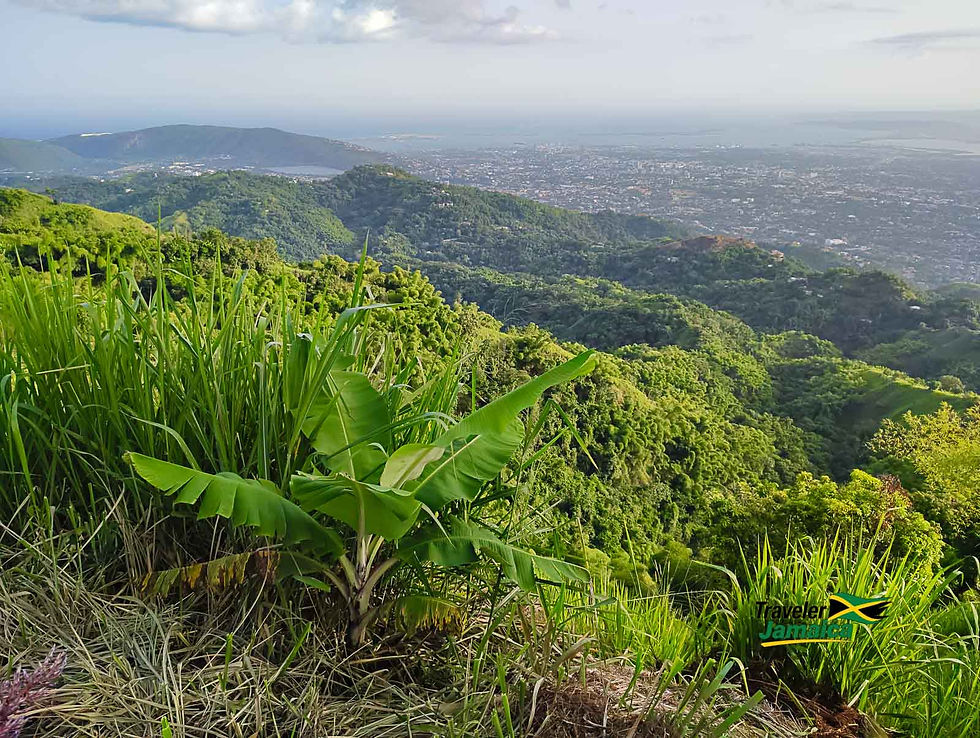
Another remarkable benefit of Saharan dust is its role as a natural fertilizer.
Scientists have found that the dust contains important minerals, including:
Phosphorus
Iron
Calcium
Magnesium
Potassium
As the dust settles, these nutrients become part of soils and coastal ecosystems.
Research has shown that Saharan dust helps replenish nutrients lost from heavily weathered tropical soils and even contributes nutrients to the Amazon rainforest after crossing the Atlantic. Similar mineral deposition can also benefit Caribbean vegetation and agricultural lands by providing trace nutrients that support healthy plant growth.
More Than Just Dust
Saharan dust also influences:
Atmospheric temperatures
Cloud formation
Sunlight reaching Earth's surface
Ocean nutrient cycles
Marine ecosystems
Researchers continue studying how these massive dust plumes interact with climate systems worldwide.
Advice for Visitors to Jamaica
If you're visiting Kingston or other parts of Jamaica during the summer months, don't be surprised if the sky occasionally appears hazy.
Most Saharan dust events last only a few days before winds disperse the particles or rainfall clears the atmosphere. During these periods, visitors should:
Drink plenty of water.
Wear sunglasses if dust irritates the eyes.
Consider a well-fitting mask if you have asthma or allergies.
Limit prolonged outdoor exercise during heavy dust days.
Follow updates from the Meteorological Service of Jamaica and the Ministry of Health.
A Natural Connection Between Continents

The arrival of Saharan dust in Jamaica is one of nature's most extraordinary long-distance journeys. Tiny particles that began their voyage in the deserts of Africa eventually drift across the Atlantic to influence Caribbean weather, nourish ecosystems, and even play a role in the Atlantic hurricane season.
While July 2026 brought hazy skies and reduced air quality to Kingston, it also highlighted the remarkable interconnectedness of Earth's atmosphere. What may seem like an unwelcome cloud of dust is, in reality, part of a natural cycle that has linked Africa and the Caribbean for thousands of years—reminding us that even the smallest particles can have a global impact.

Comments